Introduction to the Yorkshire Terrier
The Yorkshire Terrier, often affectionately referred to as the Yorkie, is a small dog breed with a rich history that dates back to the 19th century. Originally bred in England to catch vermin in clothing mills and coal mines, these dogs have transformed significantly over time from their working-class roots to becoming one of the most popular companion animals today. Their development can be attributed to thorough breeding practices aimed at enhancing their size, appearance, and temperament, which has led to the delightful pets we know and love.
One of the most distinctive characteristics of the Yorkshire Terrier is its small stature. Typically weighing between 4 to 7 pounds, they are compact and well-suited for various living environments, including apartments and smaller homes. This breed’s size belies its bold personality; Yorkies are known for their spirited and feisty demeanor. They exhibit a strong sense of loyalty and affection towards their families, making them exceptional companions for individuals and families alike.
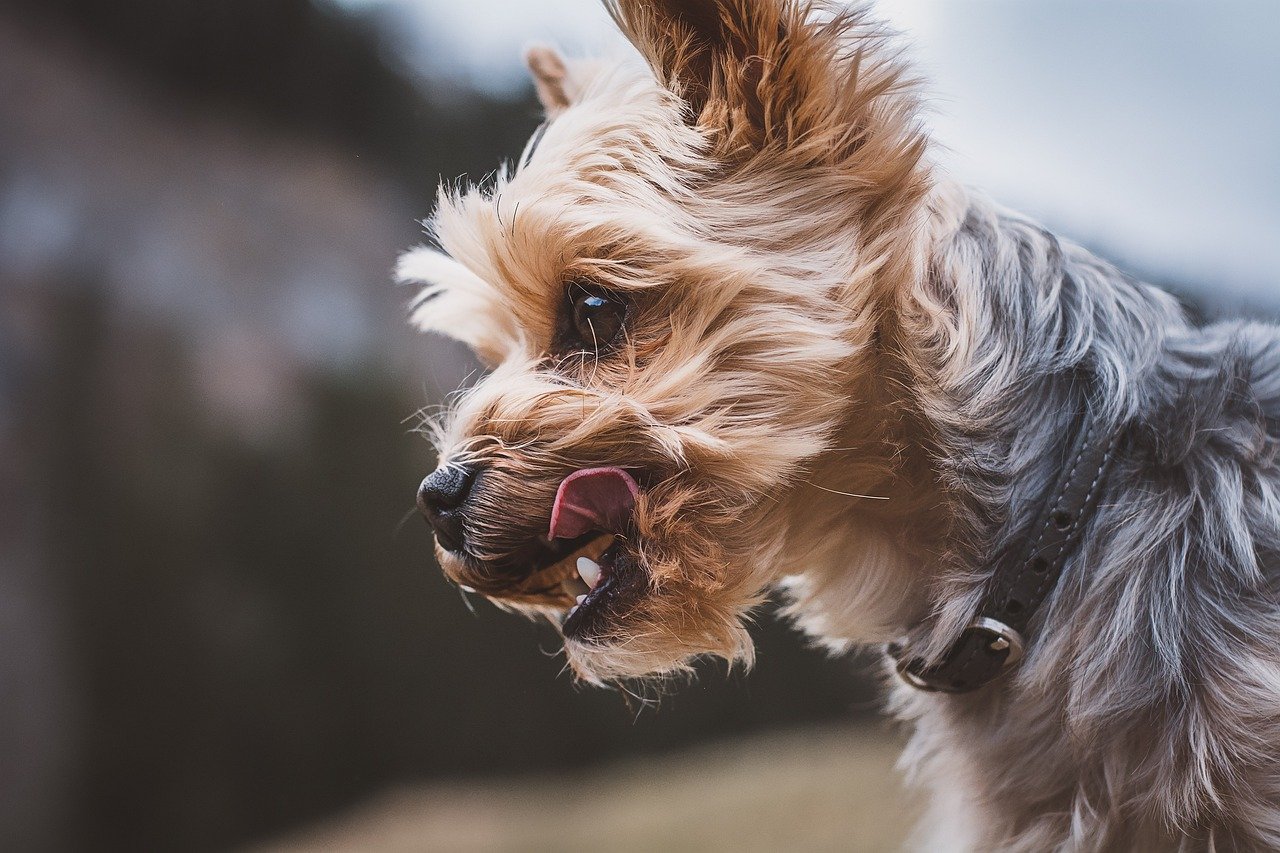
The Yorkshire Terrier’s stunning coat is another notable feature. Their long, silky hair is often compared to human hair, and regular grooming is essential to maintain its beauty and prevent matting. The breed’s coat coloration, primarily a mix of blue and tan, further enhances their overall charm. Additionally, their expressive eyes and playful nature contribute to their widespread appeal, earning them the title of a beloved family pet.
As an intelligent breed, Yorkshire Terriers are known for being easily trainable, although they can also exhibit strong-willed behavior. Despite their small size, they require mental and physical stimulation to thrive. This combination of traits makes them well-suited for active families eager to offer companionship and a playful spirit.
Caring for Your Yorkshire Terrier
Proper care for your Yorkshire Terrier involves multiple facets, from grooming to nutrition and exercise. This breed is known for its luxurious coat, which requires regular grooming to maintain its beauty and health. It is advisable to brush your Yorkshire Terrier’s coat at least two to three times a week, using a pin brush to detangle any knots and prevent matting. Regular grooming sessions also provide an excellent opportunity to check your pet for skin issues or parasites.
Nutritional needs for Yorkshire Terriers are unique due to their small size and high energy levels. Quality dog food formulated for small breeds is typically best, offering the right balance of protein, fats, and carbohydrates. It is essential to monitor their food intake to prevent obesity, a common concern among this breed. Treats should be given in moderation, and avoid foods that are toxic to dogs, such as chocolate, grapes, and onions. Always consult your veterinarian for recommendations tailored to your Yorkshire Terrier’s specific dietary needs.
In terms of exercise, Yorkshire Terriers require daily activity to remain healthy and happy. Short walks and interactive play sessions will keep them physically stimulated and can also help prevent behavioral issues arising from boredom. Aim for at least 30 minutes of exercise each day, adjusting the duration based on your pet’s age and energy level.
Regular veterinary check-ups are crucial to ensure your Yorkshire Terrier remains in good health. Routine vaccinations, dental care, and parasite prevention are vital to avoid common health issues such as dental disease and heart problems. Being vigilant about your dog’s health and recognizing any changes, such as weight loss or lethargy, is essential in providing the proper care and ensuring a long, happy life for your Yorkshire Terrier.
Training Your Yorkshire Terrier
Yorkshire Terriers, known for their intelligence and eagerness to please, can be trained effectively with the right approach. The first crucial aspect of training is establishing a foundation in basic obedience. Commands such as sit, stay, and come are essential for ensuring your Yorkie’s safety and enhancing their overall behavior. Start training sessions early, ideally when your Yorkie is still a puppy, as early exposure to training leads to more successful outcomes. Short sessions of five to ten minutes, several times a day, are recommended to keep your dog engaged without overwhelming them.
House training is another essential aspect of raising a Yorkshire Terrier. Consistency is key; take your dog outside frequently, especially after meals, playtime, or waking up. Praise and reward your pet immediately after they relieve themselves outdoors to reinforce positive behavior. If accidents occur indoors, avoid punitive measures. Instead, clean the area thoroughly to eliminate odors and reduce the likelihood of repeat incidents. Recognizing the signals that indicate your Yorkie needs to go outside will also enhance training success.
Socialization is vital for Yorkshire Terriers since these dogs can be prone to behavioral issues if not adequately exposed to different environments, people, and animals. Introduce your Yorkie to various settings, other dogs, and different people from an early age. Positive reinforcement techniques, such as treats and praise, help create positive associations during these experiences. Additionally, be patient and understand that some challenges may arise, such as barking at strangers or being overly protective. Address these behaviors promptly and consistently, leveraging techniques like gradual desensitization and distraction.
In conclusion, by employing positive reinforcement and establishing a structured routine, training your Yorkshire Terrier can lead to a well-mannered and happy companion. With dedication and patience, you can overcome common behavioral challenges, allowing for a fulfilling relationship with your furry friend.
Creating a Loving Environment for Your Yorkie
Creating a nurturing home environment for your Yorkshire Terrier is vital to promoting their well-being and happiness. These affectionate dogs thrive in a space that feels secure and welcoming. Begin by designating a specific area within your home as your Yorkie’s safe haven. This space should be quiet, away from loud noises and heavy foot traffic, where they can retreat for rest and relaxation. Utilizing a cozy bed or blanket will encourage your Yorkie to feel comfortable and secure. Choose a resting area that is easy to clean, as Yorkshire Terriers can be prone to accidents during their formative years.
Yorkshire Terriers are playful and intelligent dogs, and incorporating suitable toys into their environment is essential for mental stimulation and physical activity. Look for toys that are appropriately sized for your Yorkie and engage their natural instincts. Lightweight chew toys, plush toys, and puzzle toys can keep your furry friend entertained in a safe manner. Equally important is the arrangement of interactive play within your living space; for instance, you might use open spaces or a secure backyard for supervised playtime.
Family interaction plays a crucial role in your Yorkie’s happiness. Establishing a routine that includes bonding time strengthens the human-animal relationship. Engaging in fun activities like gentle training sessions, short walks, or games of fetch fosters a deeper connection between you and your Yorkshire Terrier. Regularly including your Yorkie in family activities will nurture their social skills and ensure they feel like an integral part of the family. As a breed known for their loyalty, Yorkies will reciprocate this time spent with unconditional love and companionship.